How Many People Can Solve a Rubik's Cube?
What Percentage of People Can Solve a Rubik's Cube?
Ask how many people can solve a Rubik's Cube and you'll get the same answer from nearly every source: 5.8%. The problem is tracing where that figure actually came from. Most trails point to a YouGov poll from 2014, but we couldn't find the original survey itself, only later articles citing each other citing it.
So 5.8% is best treated as a widely repeated estimate, not a confirmed statistic. Other sources put the real figure anywhere from 5% to 10%, depending on how "solve" gets defined and who answered the question. Roughly 500 million Rubik's Cubes have been sold worldwide since 1980, and only a fraction of the people who've owned one have ever finished a solve. Most people who own a cube never finish solving it, and the ones who do make up a small share of the population.
Does It Depend on Cube Size? 3x3 vs 4x4
Cube size changes the odds considerably.
The 3x3 is the version everyone pictures, the one sold in stores, taught in tutorials, and used at speedcubing competitions. It's also the most documented, which is why nearly every estimate for how many people can solve a 3x3 Rubik's Cube lands higher than any other size. The World Cube Association, the sport's governing body, has logged more than 282,000 competitors across over 16,600 events, and the 3x3 is the event nearly everyone starts with.
The 4x4, known as the Rubik's Revenge, adds an extra layer of pieces and a mechanic called parity, where the standard 3x3 method leaves you stuck and extra moves are needed to finish. Solving a 4x4 means learning techniques on top of what a 3x3 solver already knows, not just applying the same method to a bigger puzzle. That extra step is exactly why how many people can solve a 4x4 Rubik's Cube comes out far lower than the 3x3 number. Most people who learn the 3x3 never bother making the jump.
Can You Solve It Without Any Help?
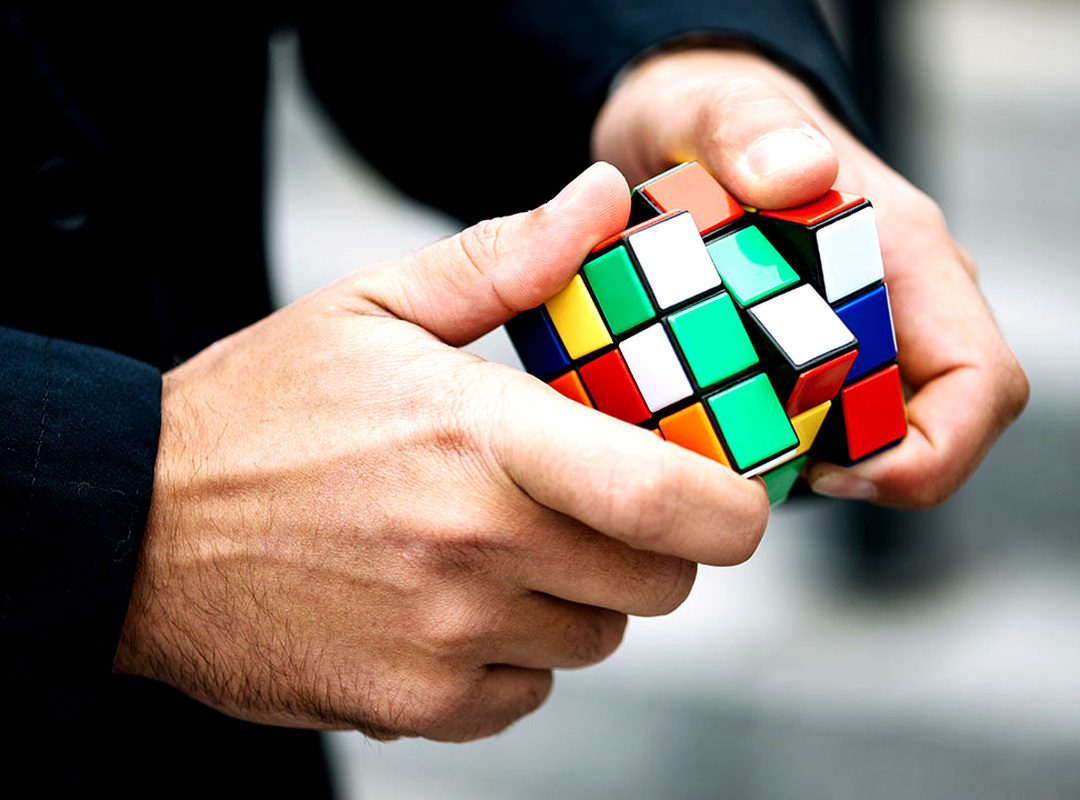
There's a meaningful difference between three things: solving it while following a tutorial in real time, solving it from memory using a method you've already learned, and solving it completely from scratch with no outside reference at all, the way Erno Rubik had to when he invented the puzzle. By his own account, that first solve took him about a month.
Asking how many people can solve a Rubik's Cube without help usually means that third category, and the honest answer is almost nobody. Even the fastest competitive solvers are running a known method, usually layer by layer or CFOP, not something they invented. The current world record single solve sits at 2.76 seconds, set in February 2026 by ten year old Teodor Zajder, the first sub 3 second solve ever recorded. That speed still comes from a memorized system executed under pressure, not from working out the logic on the spot. Learning a proven method and running it well under pressure is still a genuine skill, even if the method itself came from someone else.
Why So Few People Learn to Solve It
Solving a Rubik's Cube has surprisingly little to do with intelligence. It comes down to a method and repetition. Once you know the algorithm, your hands need enough practice to run it without stopping to think.
Most beginners land somewhere in the 5 to 10 minute range for their first successful solve, then work that down to 2 or 3 minutes within a few weeks of casual daily practice. Most people who never learn simply never put in the fifteen or twenty minutes it takes to pick up one method and repeat it until it holds. If you've tried and stalled out, that's not a sign of low aptitude, it just means you haven't put in the reps yet.
Where Does WOWCube Fit In?
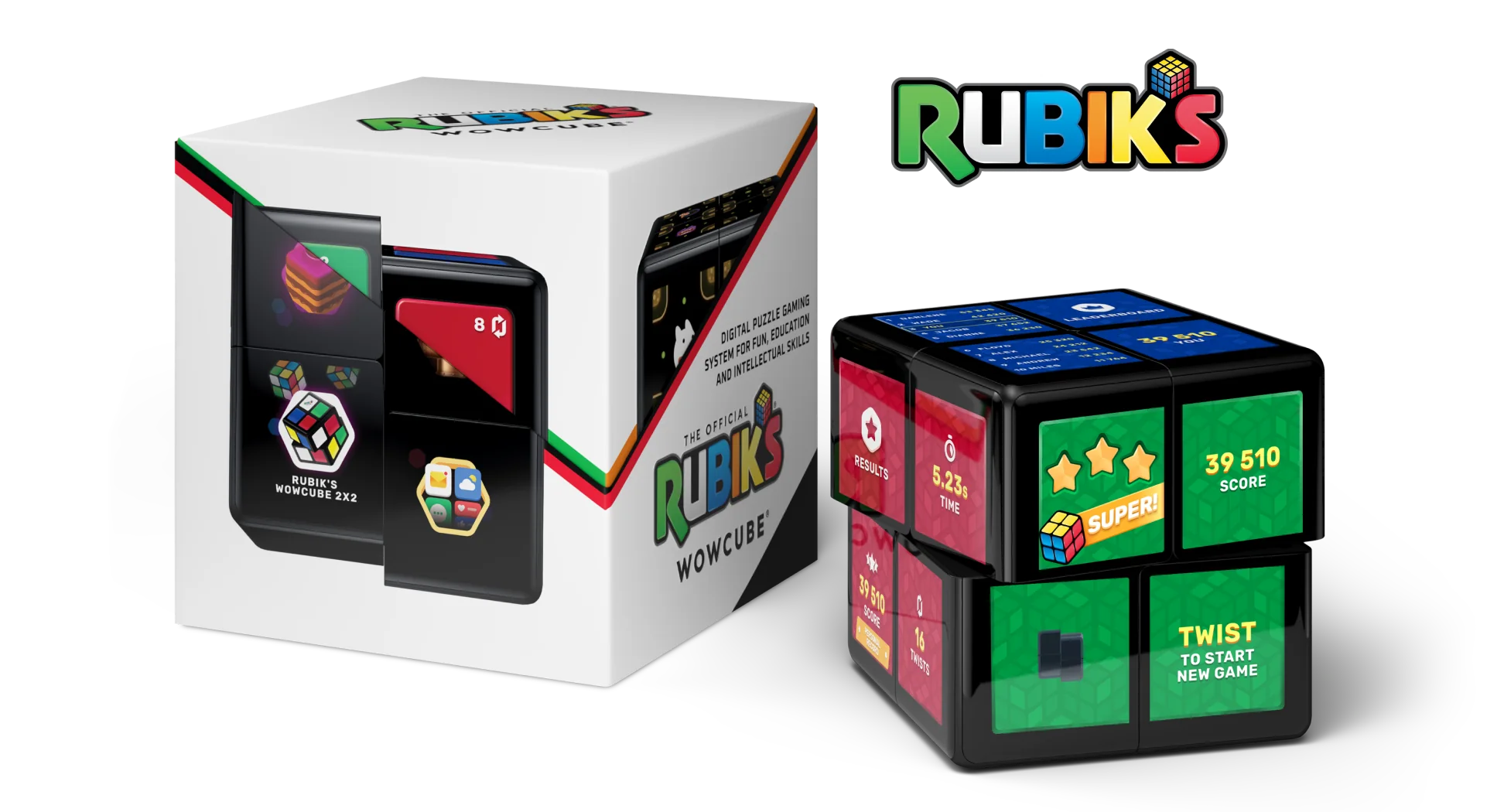
WOWCube isn't chasing speedcubing records or shaving seconds off a solve. It's a different kind of cube entirely, one where each face works as a screen, turning the whole object into a handheld console.
Instead of memorizing one algorithm and repeating it endlessly, WOWCube gives you dozens of games and puzzles that use the same twisting, turning logic that made the original cube worth picking up in the first place. It's learning through play instead of learning through repetition, and there's always a new puzzle waiting instead of one fixed challenge to master.
If the original appeal of a Rubik's Cube was the tactile, hands-on problem solving, WOWCube takes that same instinct and turns it into an entire library of games.